Early Signs of Tooth Decay and How Dentists Treat It
Tooth decay doesn’t always announce itself with pain or obvious damage. In fact, some of the most important warning signs are easy to miss unless you know what to look for. A faint change in color, a little extra sensitivity, or a rough spot that wasn’t there before can all point to early decay forming beneath the surface.
When you understand the early signals and why a dentist in Fairfax takes them seriously, you can stay ahead of problems long before they interfere with your daily life or your smile.

What Tooth Decay Really Is (and How It Starts)
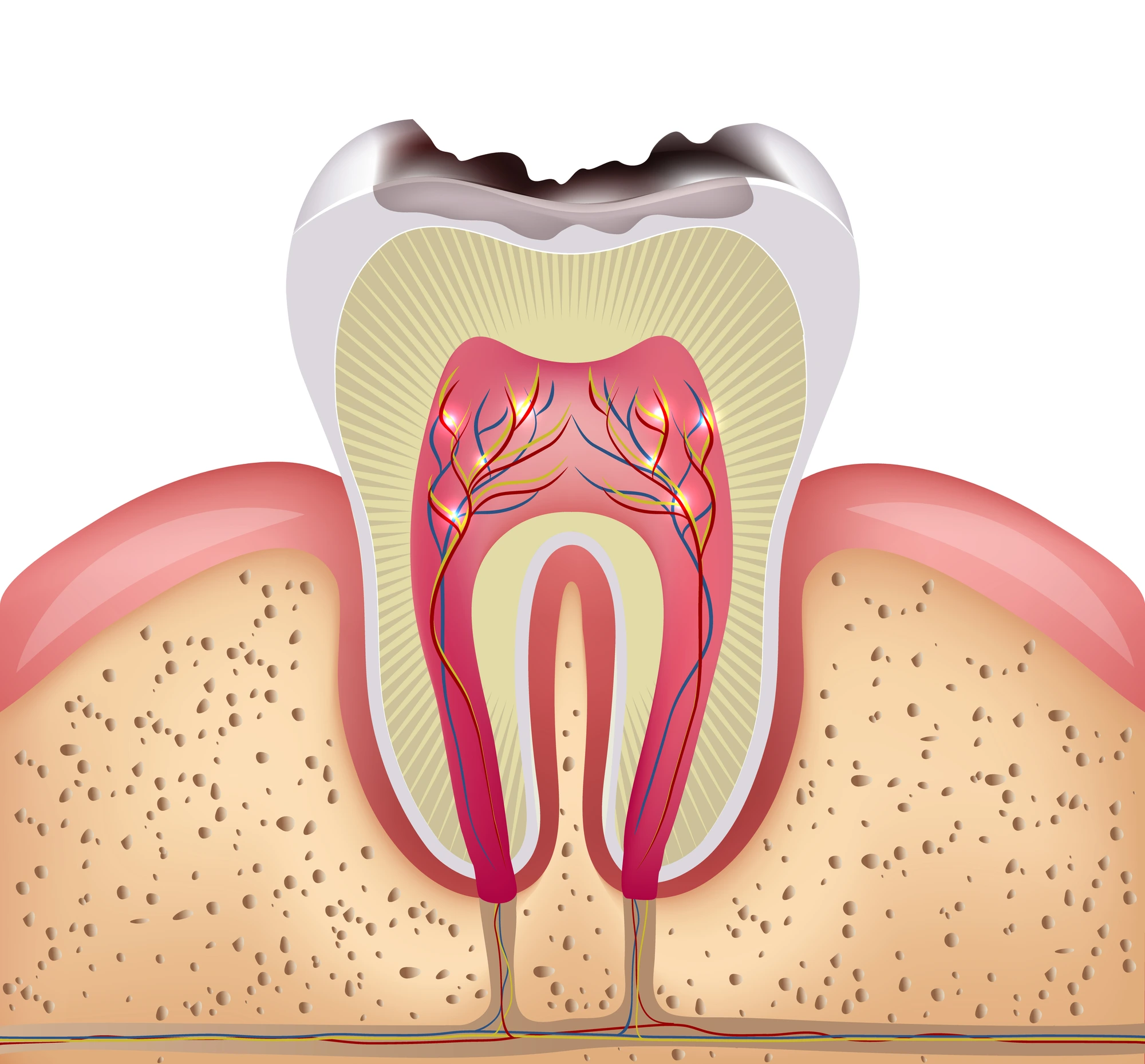
Tooth decay occurs when acids produced by bacteria begin to weaken the enamel, the protective outer layer of your teeth. Bacteria thrive on sugars and starches left behind after eating and drinking.
Over time, repeated acid exposure can break down enamel and create areas of demineralization. Without intervention, the process continues deeper into the tooth, eventually forming cavities and, in advanced cases, infections.
Early decay often develops beneath the surface, which is why professional exams play such an important part in prevention.
Early Signs of Tooth Decay You Shouldn’t Ignore
- White spots or chalky areas: Early mineral loss in the enamel, often the first visible sign of decay.
- Tooth sensitivity: Increased sensitivity to hot, cold, or sweet foods can signal weakened enamel.
- Mild discomfort when chewing: Subtle pain or pressure may indicate early structural changes in the tooth.
- Rough or uneven tooth surfaces: Enamel breakdown can make a tooth feel different to the tongue.
- Dark spots or staining: Areas of discoloration may suggest decay developing beneath the surface.
Not everyone experiences noticeable symptoms right away, which is why routine dental visits remain one of the most effective ways to catch decay promptly.
What Happens If Tooth Decay Is Left Untreated
Ignoring early tooth decay allows the damage to progress. What begins as minor enamel wear can turn into deeper cavities, tooth pain, and infection. Advanced decay often requires more complex treatments, such as crowns or root canal therapy.
Addressing decay on its first stage helps avoid discomfort, preserve natural tooth structure, and reduce long-term dental costs.
How Dentists Treat Early Tooth Decay
When tooth decay is detected early, treatment is often simple and conservative. Fluoride treatments are commonly used to help strengthen enamel and encourage remineralization, effectively slowing or even reversing early damage.
If a small cavity has already formed, a dental filling can restore the tooth and prevent further deterioration. For teeth that are more vulnerable, such as molars with deep grooves, sealants may be recommended to add an extra layer of protection.
In some cases, dentists may choose to closely monitor an area rather than treat it immediately, depending on the severity and risk factors involved.
How to Prevent Tooth Decay Before It Starts
- Brush twice a day with fluoride toothpaste and a soft-bristled toothbrush
- Floss daily
- Schedule regular professional cleanings
- Be mindful of sugary and acidic foods
- Keep up with routine dental exams
Schedule Your Visit to a Dentist in Fairfax Today
If you’ve noticed changes in your teeth or if it’s time for your next exam, contact Fairfax Dental Esthetics to schedule an appointment.
Our experienced team is ready to help you maintain a healthy, confident smile with attentive, professional care.







.jpg)