Can You Whiten Sensitive Teeth?
You finally decide you want a brighter smile, so you start looking into teeth whitening options. Then you remember the last time you bit into ice cream or took a sip of a hot drink and felt that sudden, uncomfortable zing. The question quickly changes from “How can I whiten my teeth?” to “Can I whiten my teeth without making sensitivity worse?”
For many people, sensitive teeth are the reason they hesitate to pursue whitening treatments. However, sensitivity does not always mean a brighter smile is out of reach. With the right approach and guidance from a dental professional, teeth whitening for sensitive teeth can protect your comfort while improving the appearance of your smile.
Why Do Teeth Become Sensitive During Whitening?
How Whitening Treatments Affect Teeth
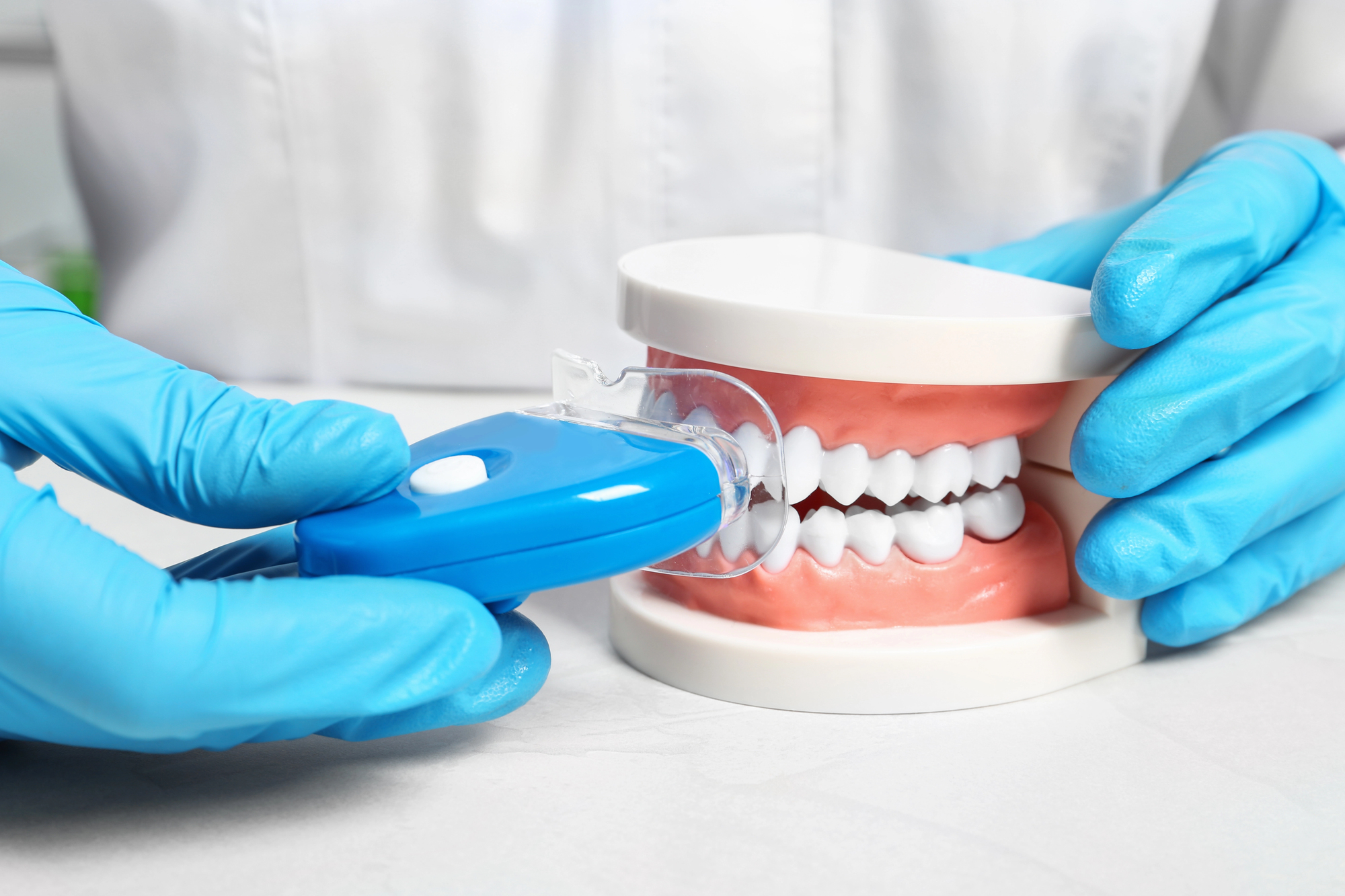
Most teeth whitening treatments use active ingredients like hydrogen peroxide or carbamide peroxide to break down stains and discoloration on the teeth. These ingredients work by penetrating the enamel and targeting the molecules that cause teeth to appear yellow or stained.
During this process, some people may experience temporary sensitivity because the whitening ingredients can reach the dentin layer beneath the enamel. The dentin contains tiny pathways connected to the nerves inside the tooth, which can cause a brief sensation of discomfort when exposed to temperature changes or pressure.
Common Reasons for Whitening Sensitivity
While whitening treatments can contribute to temporary sensitivity, other factors may make someone more likely to experience discomfort, such as:
- Naturally thinner enamel
- Gum recession that exposes sensitive tooth roots
- Untreated cavities
- Existing enamel wear
- Using whitening products too frequently or leaving them on longer than recommended
Can People with Sensitive Teeth Safely Whiten Their Teeth?
Sensitive teeth do not automatically prevent you from enjoying a brighter smile. Many people with mild sensitivity can still benefit from teeth whitening when the treatment is properly planned.
Before whitening, it is important to understand what is causing your sensitivity. A dental professional can evaluate your teeth and gums to determine whether whitening is appropriate and recommend the best option based on your needs.
Why Professional Whitening May Be a Better Option
Professional teeth whitening allows your dentist to customize your treatment and help reduce potential discomfort. Instead of using a one-size-fits-all approach, your dentist can recommend the appropriate whitening strength, application method, and treatment schedule.
A dental professional can also identify any concerns that should be addressed before whitening, such as cavities, gum problems, or enamel damage. Treating these issues first can help create a safer and more comfortable whitening experience.
How to Reduce Tooth Sensitivity Before and After Whitening
If you are concerned about sensitivity, there are several steps you can take to support a more comfortable whitening experience:
- Use toothpaste formulated for sensitive teeth before and after treatment.
- Follow whitening instructions carefully and avoid overusing products.
- Limit very hot, cold, or acidic foods and drinks immediately after whitening.
- Schedule a dental checkup if you frequently experience sensitivity.

Brighten Your Smile Comfortably with Professional Teeth Whitening for Sensitive Teeth
Sensitive teeth do not have to stand in the way of achieving a brighter smile. With a personalized treatment plan and professional guidance, you can explore whitening options that fit your comfort level and smile goals.
If you are interested in teeth whitening but are concerned about sensitivity, contact Fairfax Dental Esthetics to schedule an appointment! Our team can evaluate your smile, answer your questions, and help you find a comfortable whitening solution that works for you.




.jpg)