Oral Appliance Therapy vs. CPAP: Which Sleep Apnea Treatment Is Right for You
Roughly 30 million adults in the United States have sleep apnea, a disorder in which breathing repeatedly stops and starts throughout the night, often without the person ever fully waking up.
Once diagnosed, patients typically choose between two treatment paths: CPAP, a machine that uses pressurized air to keep the airway open, and oral appliance therapy, a custom-fitted device that repositions the jaw to prevent airway collapse.
Each works differently, and each suits a different set of patients. The right choice of sleep apnea treatment in Fairfax comes down to the severity of your condition, your anatomy, and how you respond to each option.
What Is CPAP?
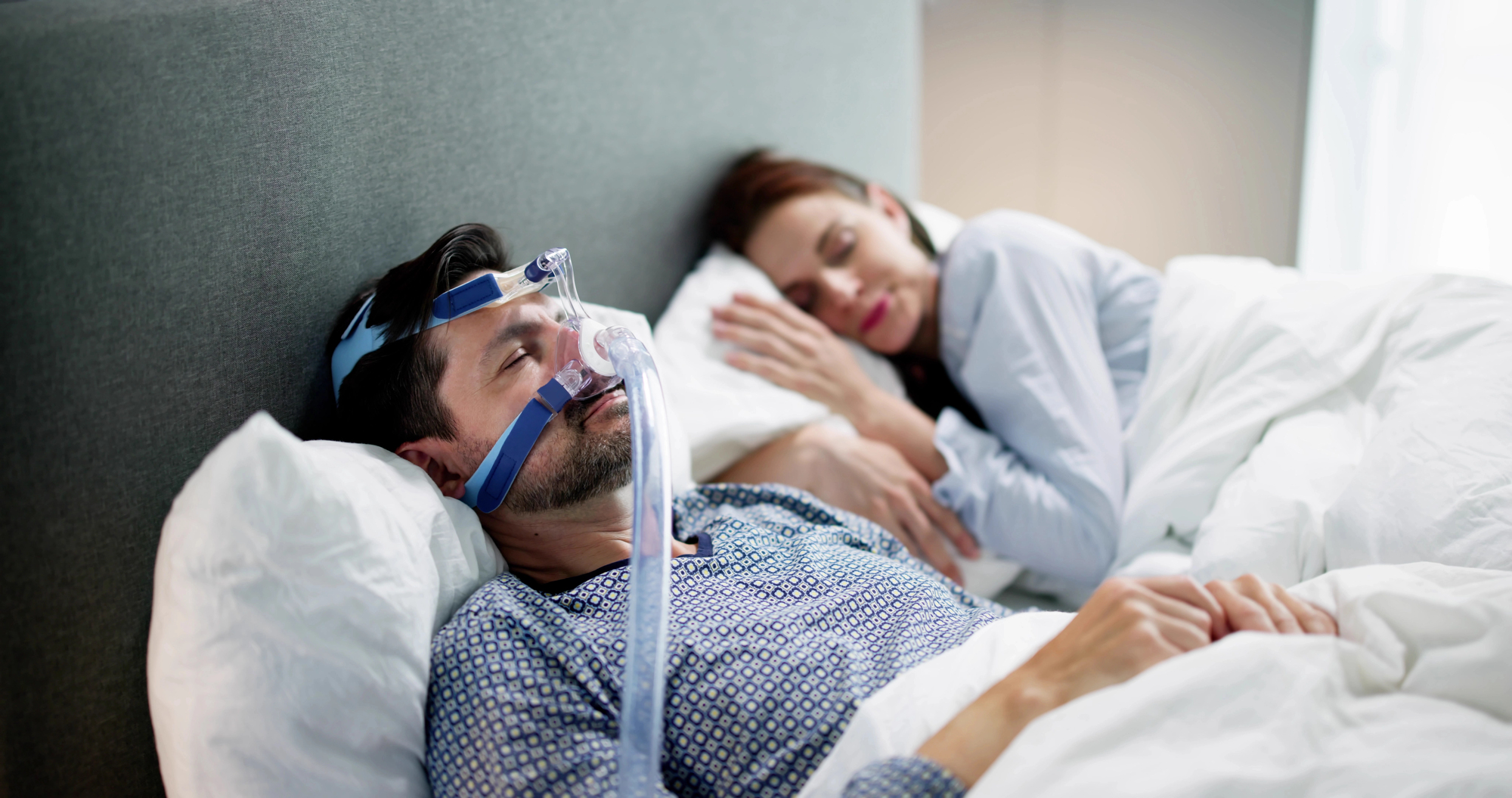
CPAP stands for continuous positive airway pressure. It's a machine that delivers a steady stream of pressurized air through a mask worn over your nose or mouth while you sleep. That constant airflow keeps your airway open, preventing the tissue collapse that causes apnea episodes.
CPAP is considered the gold standard for moderate-to-severe sleep apnea because it's highly effective at eliminating breathing interruptions. That said, it's not always the easiest treatment to live with. Some patients find the mask uncomfortable, struggle with the noise, or have a hard time traveling with the equipment.
Consistent nightly use is essential for CPAP to work, and comfort plays a big role in whether patients stick with it long-term.
What Is Oral Appliance Therapy?
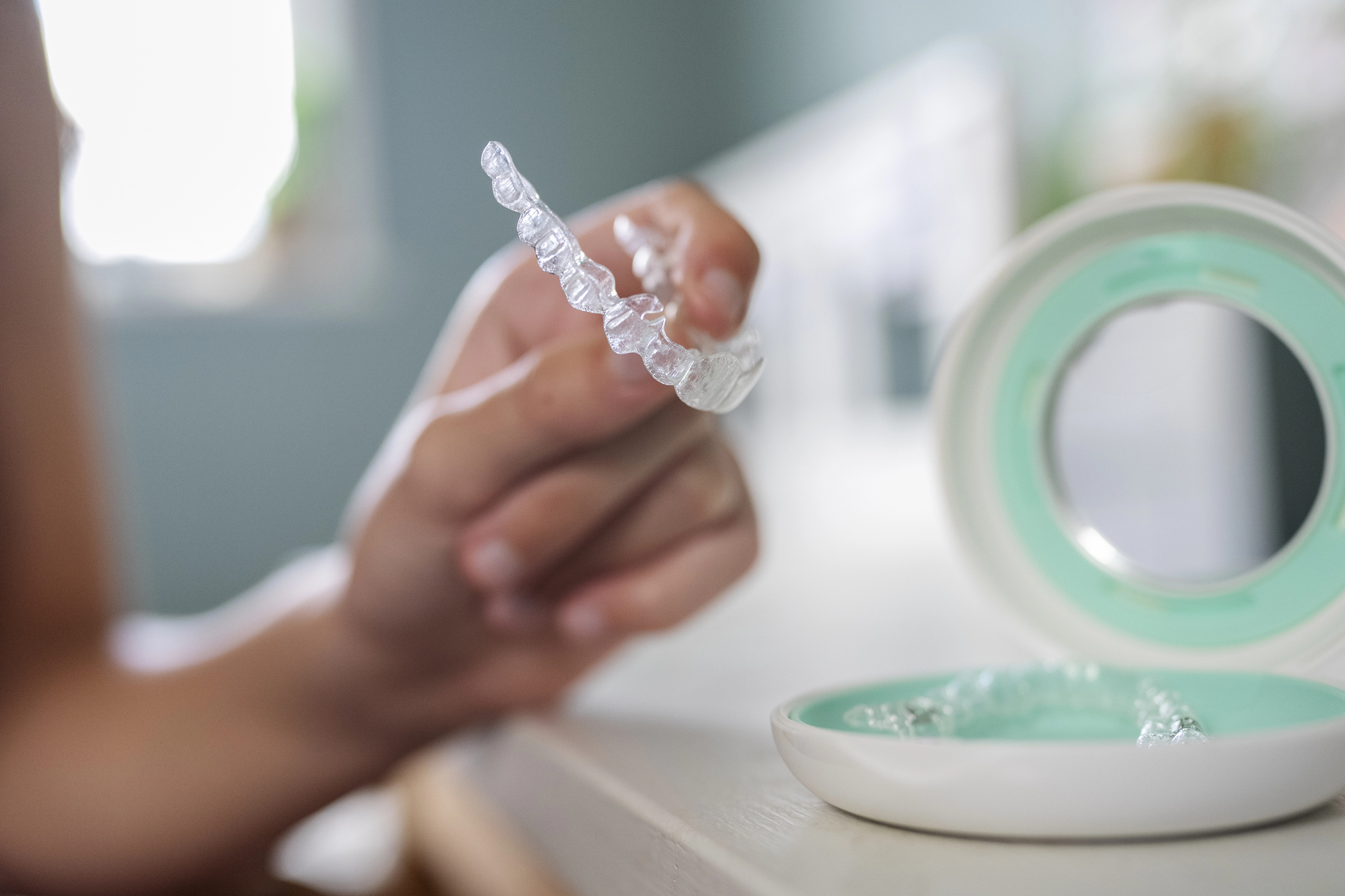
Oral appliance therapy, or OAT, takes a different approach. Instead of a mask and machine, you wear a custom-fitted device, similar to a mouthguard, while you sleep. The appliance gently repositions your jaw and tongue to keep oral tissue from sagging into your airway, allowing you to breathe freely through the night.
OAT is generally recommended for patients with mild-to-moderate sleep apnea, and it's often a welcome alternative for those who have tried CPAP but couldn't tolerate it long-term. Because the appliance is small, quiet, and easy to travel with, many patients find it fits more naturally into their routine, which can make a meaningful difference in how consistently they use it.
What Determines the Right Choice for You?
The best treatment depends on several factors, including:
- The severity of your apnea, as measured by a sleep study. Mild cases often respond well to oral appliances, while more severe cases may require CPAP or a combination of treatments.
- Your comfort and lifestyle preferences. Some patients prioritize the proven effectiveness of CPAP, while others value the portability of a smaller oral device, especially if they travel often or share a bed with a partner.
- Whether you've tried CPAP before and how your body responded. Not every patient tolerates the mask, the airflow, or the noise well, and that history helps determine the next steps.
- Your jaw structure and airway anatomy, including jaw positioning and the size or shape of your airway.
- Any other health conditions that may influence treatment, such as nasal obstructions or cardiovascular concerns.
For some patients, a combination approach may even be appropriate, depending on how their condition evolves over time.
Not Sure Which Option Is Right for You? Contact Us for Sleep Apnea Treatment in Fairfax
If you're waking up tired, dealing with headaches, or unsure whether your current treatment is working for you, you don't have to navigate this alone. Take our online sleep apnea self-assessment quiz to get a better sense of your symptoms, or reach out directly to our team to discuss your options.



.jpg)