TMJ Disorder vs. Jaw Pain: What's the Difference?
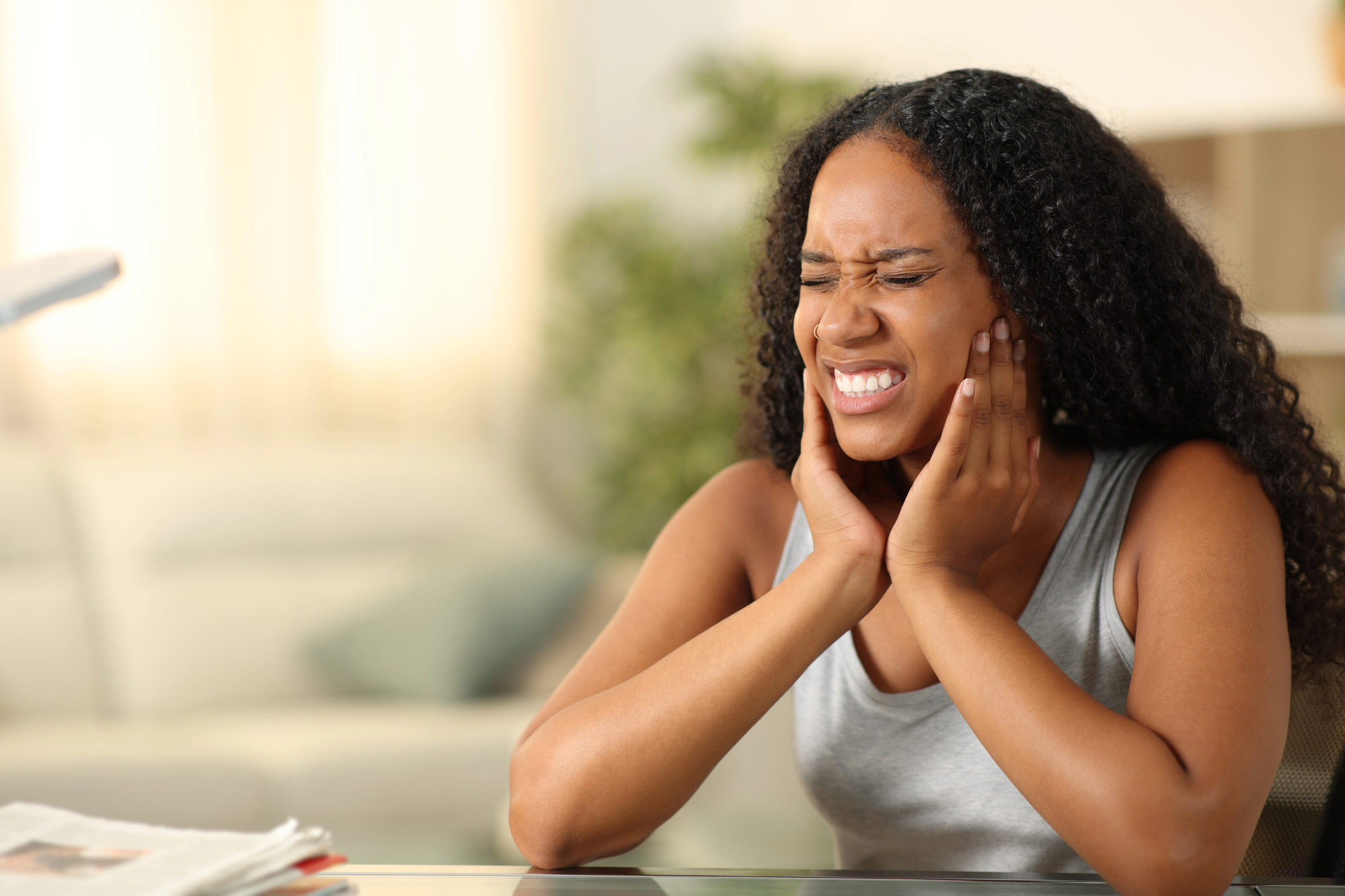
Jaw pain isn't something you should have to live with. Whether it's a dull ache when you wake up, discomfort while chewing, or a jaw that clicks every time you open your mouth, these symptoms can affect your comfort and quality of life.
Although many people assume any jaw pain means they have TMJ disorder, that's not always the case. Jaw pain can stem from several different conditions, and understanding the cause is the first step toward finding lasting relief with a TMJ specialist in Fairfax.
What Is Jaw Pain?
Jaw pain refers to discomfort that affects the jaw, face, or the muscles surrounding the jaw. It can develop suddenly after an injury or over time, and it may range from mild soreness to severe pain that interferes with everyday activities.
There are many possible causes of jaw pain, including:
- Dental infections or abscesses
- Muscle strain
- Jaw injuries
- Arthritis affecting the jaw joint
Because jaw pain is a symptom rather than a diagnosis, identifying its underlying cause is essential. While some cases resolve with conservative care, others require targeted treatment to prevent ongoing discomfort.
What Is TMJ Disorder?
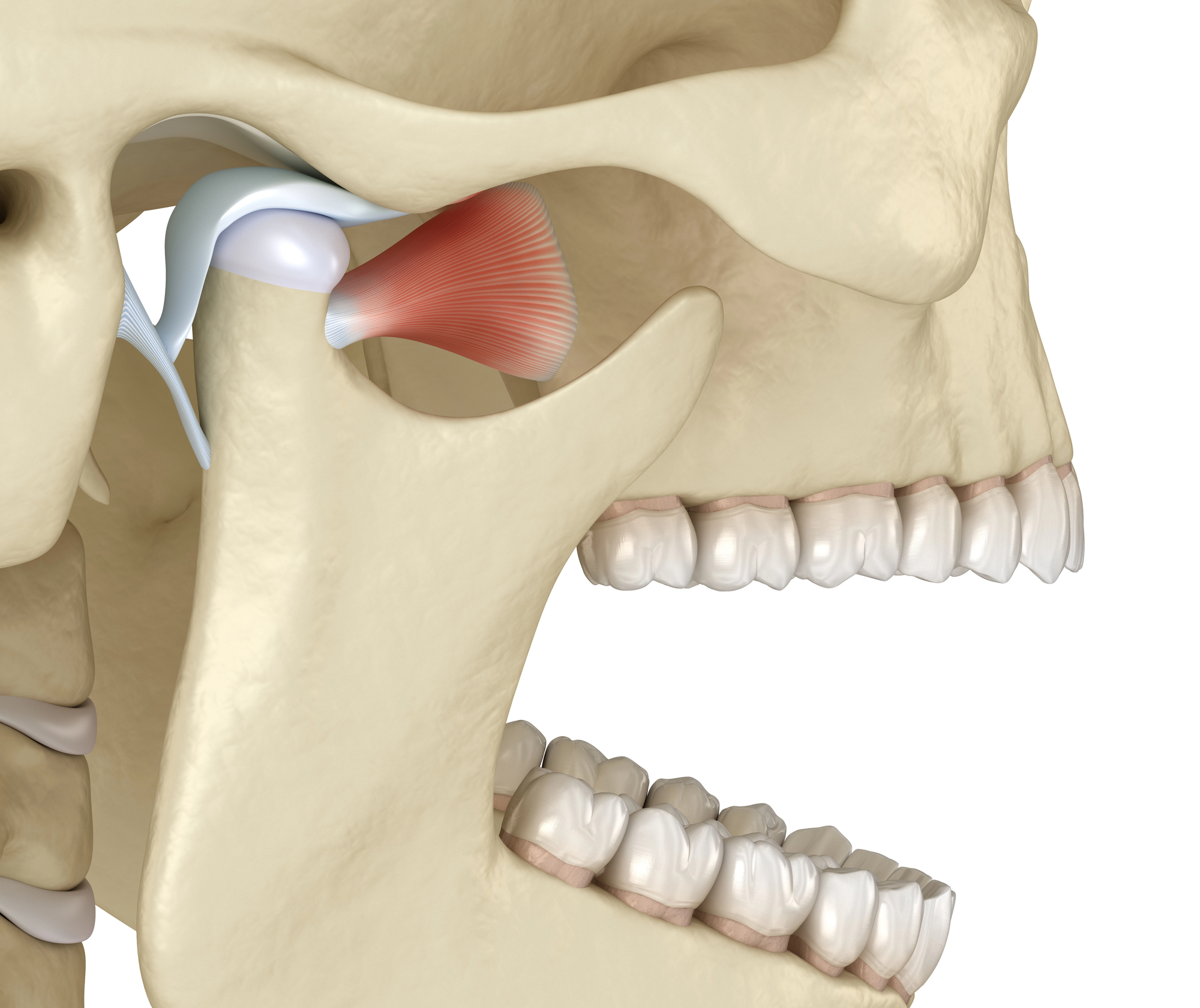
TMJ disorder, also known as TMD, affects the temporomandibular joints that connect your lower jaw to your skull. These joints work together with muscles and ligaments to allow you to chew, speak, yawn, and move your jaw.
TMJ disorder develops when the joints or surrounding muscles become irritated or don't function properly.
Several factors may contribute to the condition, including:
- Chronic teeth grinding or jaw clenching
- Arthritis within the joint
- Jaw injuries
- Stress-related muscle tension
- Bite or jaw alignment issues
Unlike general jaw pain, TMJ disorder specifically involves dysfunction of the jaw joints and often produces additional symptoms beyond discomfort alone.
How TMJ Disorder Differs from General Jaw Pain
One of the biggest differences between TMJ disorder and general jaw pain is the collection of symptoms that accompany the discomfort.
People with TMJ disorder often experience:
- Clicking, popping, or grinding sounds when opening or closing the mouth
- Pain while chewing
- Difficulty fully opening the mouth
- Jaw locking or getting stuck
- Facial pain near the jaw joints
- Frequent headaches
- Ear pain, pressure, or ringing without an ear infection
Someone with jaw pain caused by a dental infection or muscle strain may not experience these additional symptoms. In other words, you can have jaw pain without having TMJ disorder, but TMJ disorder frequently includes jaw pain as one of several signs that the joint isn't functioning normally.
When Should You Seek an Evaluation?
Occasional jaw soreness after chewing tough foods or following dental work may not be cause for concern. However, persistent or worsening symptoms deserve professional attention.
Schedule an evaluation if you experience:
- Jaw pain that lasts more than a few days
- Difficulty opening or closing your mouth
- Pain while eating or speaking
- Swelling around the jaw
- Recurring headaches accompanied by jaw discomfort
A thorough examination can help determine whether your symptoms are related to TMJ disorder or another condition so the appropriate treatment can begin.
Treatment Depends on the Cause
The best treatment starts with an accurate diagnosis. Depending on the cause of your symptoms, conservative treatment may include lifestyle modifications, physical therapy, anti-inflammatory medications, or a custom oral appliance to reduce strain on the jaw.
For patients with chronic TMJ disorder, additional treatment options may be recommended to relieve pain and improve jaw function.

Find Relief from Jaw Pain with a TMJ Specialist in Fairfax
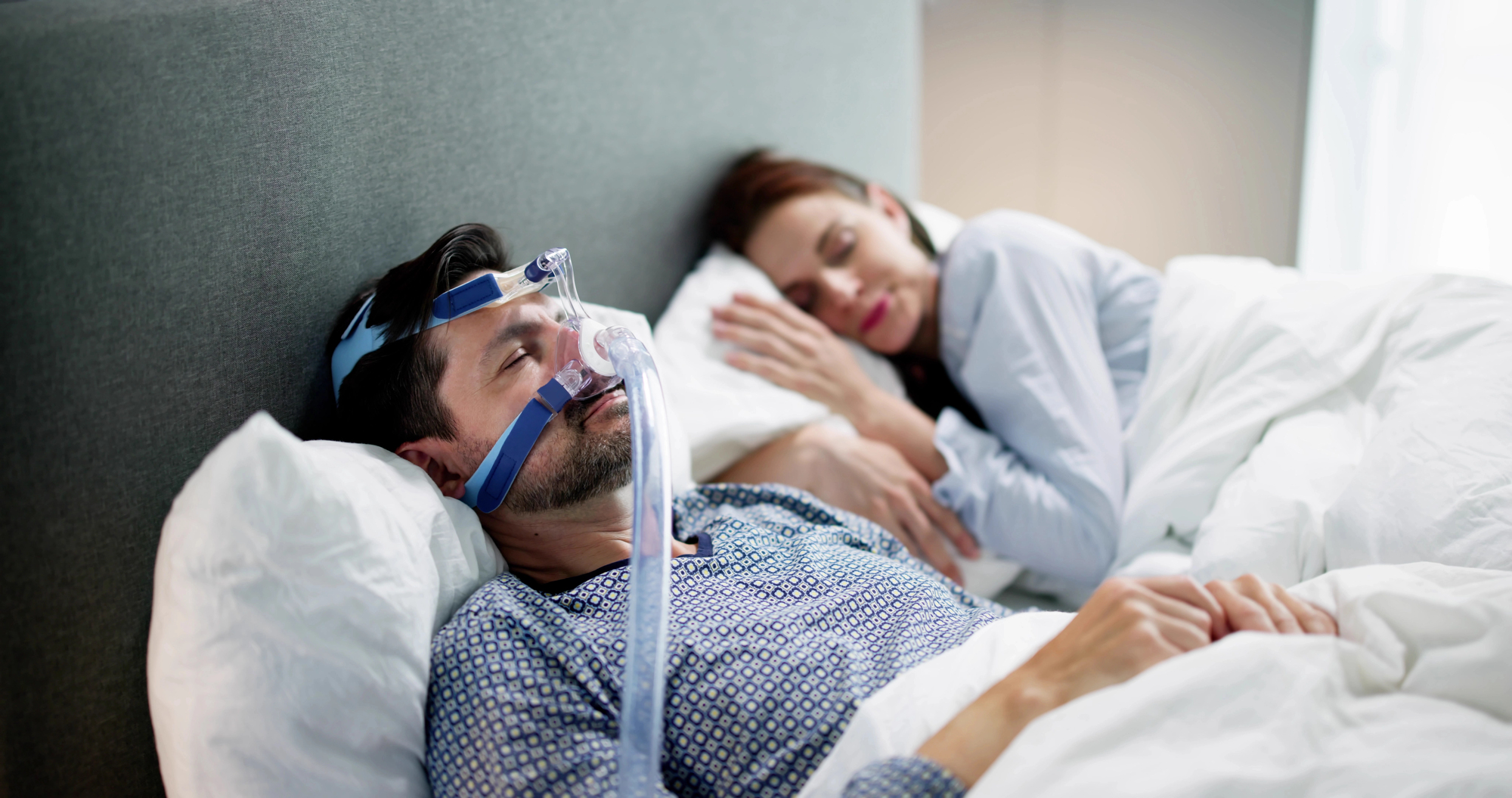
If you're experiencing ongoing jaw pain, headaches, clicking jaw joints, or have been referred for an oral appliance to treat sleep apnea, contact Fairfax Dental Esthetics today to schedule an appointment.
Our experienced team provides personalized care for TMJ disorders and works alongside sleep specialists to help patients find effective solutions for healthier, more comfortable living.


.jpg)