Why Does My Jaw Click or Pop?
You're mid-yawn, or maybe halfway through a big bite of a sandwich, when you hear a distinct click or pop right at the hinge of your jaw. This kind of noise is one of the most common things Fairfax TMJ dentists hear about, and it doesn't automatically mean trouble.
What actually determines whether that click is nothing to worry about — or an early sign of temporomandibular joint (TMJ) disorder — comes down to what else is (or isn't) happening alongside it.
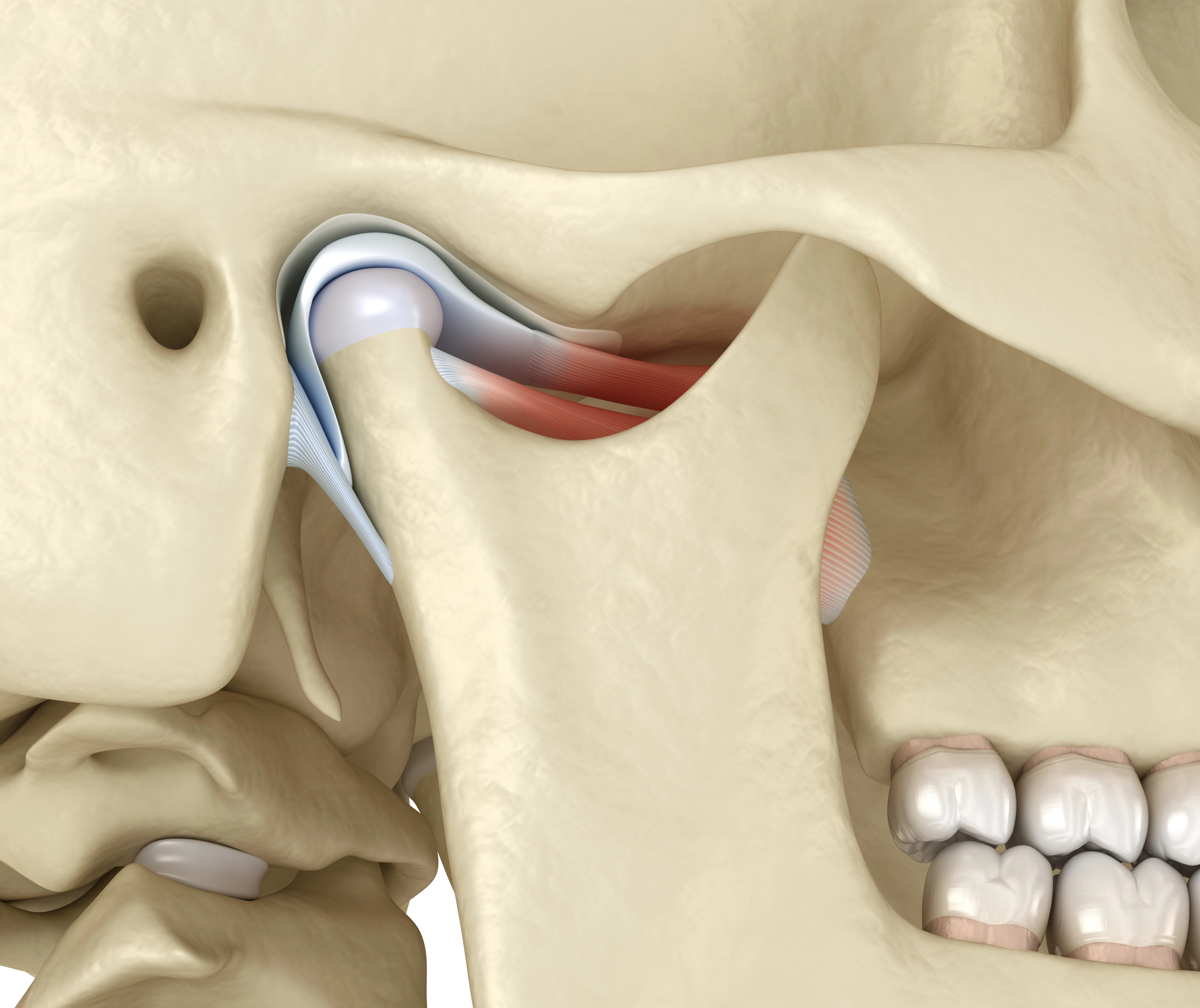
What's Happening in the TMJ Joint
The temporomandibular joint, or TMJ, connects your lower jaw to your skull, working like a hinge every time you talk, chew, or yawn. That hinge relies on smooth, coordinated movement between bone, disc, and muscle. When the disc shifts even slightly, it can throw off the rhythm just enough to produce a click.
On its own, a sound doesn't necessarily mean you have a diagnosable disorder. Plenty of people experience it occasionally without any other symptoms at all.
When It's Likely Harmless
If your jaw clicks now and then but doesn't hurt, and you can still open and close your mouth fully and comfortably, there's often no cause for alarm. Habits like chewing gum, yawning widely, or biting your nails can contribute to occasional noise in the joint.
In these cases, it's reasonable to just pay attention to whether anything changes rather than assume the worst.
When It Points to TMJ Disorder
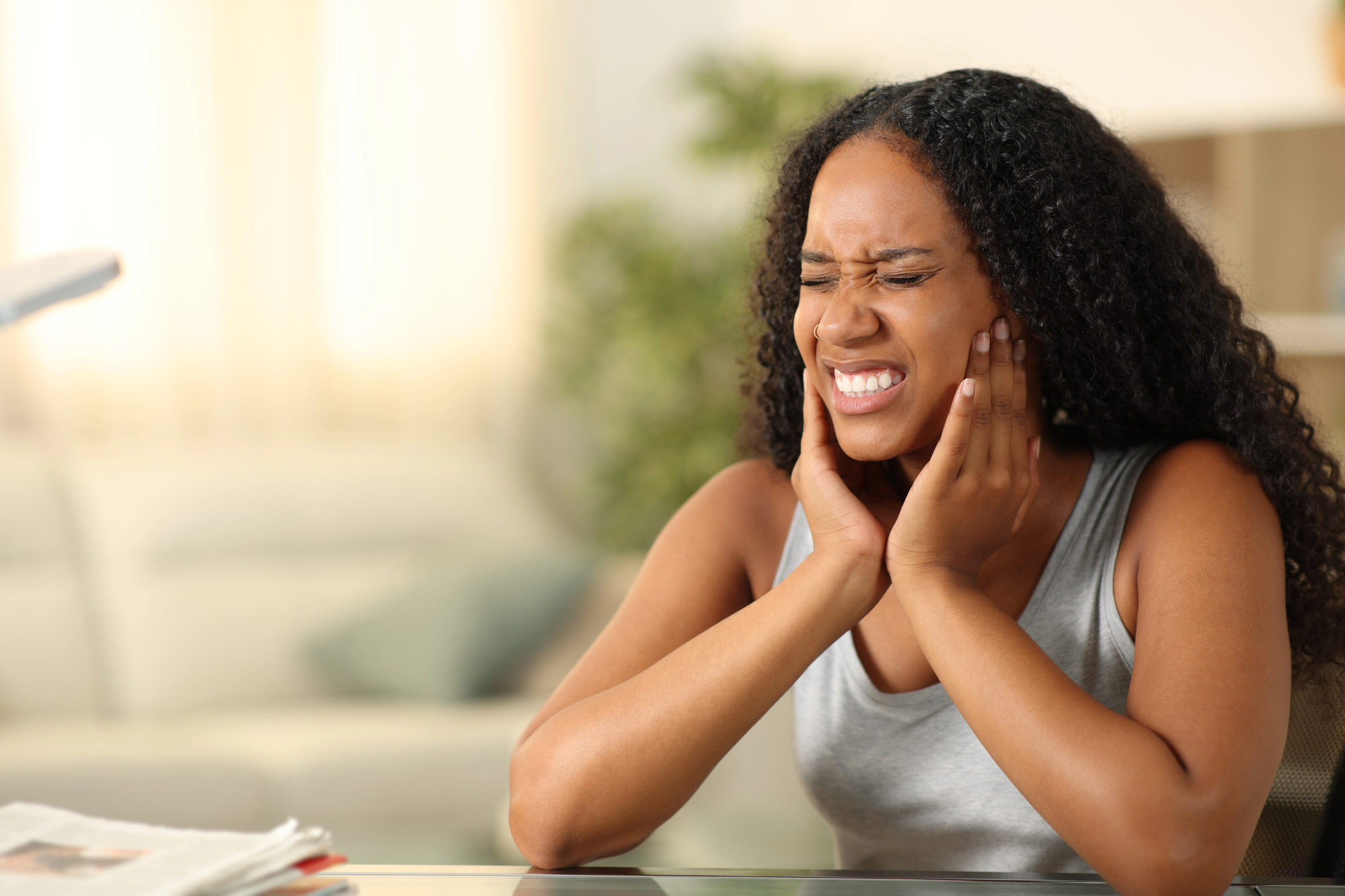
Clicking becomes more of a concern when it's joined by other symptoms. Pain, tenderness around the jaw, or recurring headaches alongside the popping are signs worth taking seriously.
The same goes for a jaw that locks, whether stuck open, stuck closed, or catching mid-motion, as well as popping that's grown louder or more frequent over time. Difficulty chewing or opening your mouth fully are also red flags.
TMJ disorder is more common than many people realize: it affects an estimated 12 million adults in the US, most often women between the ages of 20 and 40.
Other Possible Culprits
Jaw clicking isn't always about TMJ disorder specifically. Bruxism, or teeth grinding, puts extra strain on the joint and can produce similar sounds. Arthritis in the jaw, a past injury to the face or jaw, and an uneven bite can all place added stress on the joint as well.
These issues often overlap with TMJ disorder but may call for a different treatment, which is why a proper evaluation matters.
What Happens at a TMJ Evaluation
If your symptoms go beyond occasional, painless clicking, a TMJ evaluation is a straightforward way to get answers.
Your dentist will assess how your jaw moves, listen for joint sounds, check your bite alignment, and feel for muscle tenderness around the jaw and face. It's a simple, non-invasive process designed to pinpoint what's really going on.
From there, treatment options may include:
- Custom night guards to ease strain from grinding
- Botox® injections to relax overactive jaw muscles

Don't Wait Out the Warning Signs – Book a Visit to a Fairfax TMJ Dentist Today
A little clicking here and there is often nothing to worry about. But if your jaw pops along with pain, locking, or symptoms that seem to be getting worse, it's worth having it checked out sooner rather than later.
Contact Fairfax Dental Esthetics today to schedule your TMJ evaluation and get back to a more comfortable, confident smile!





.jpg)